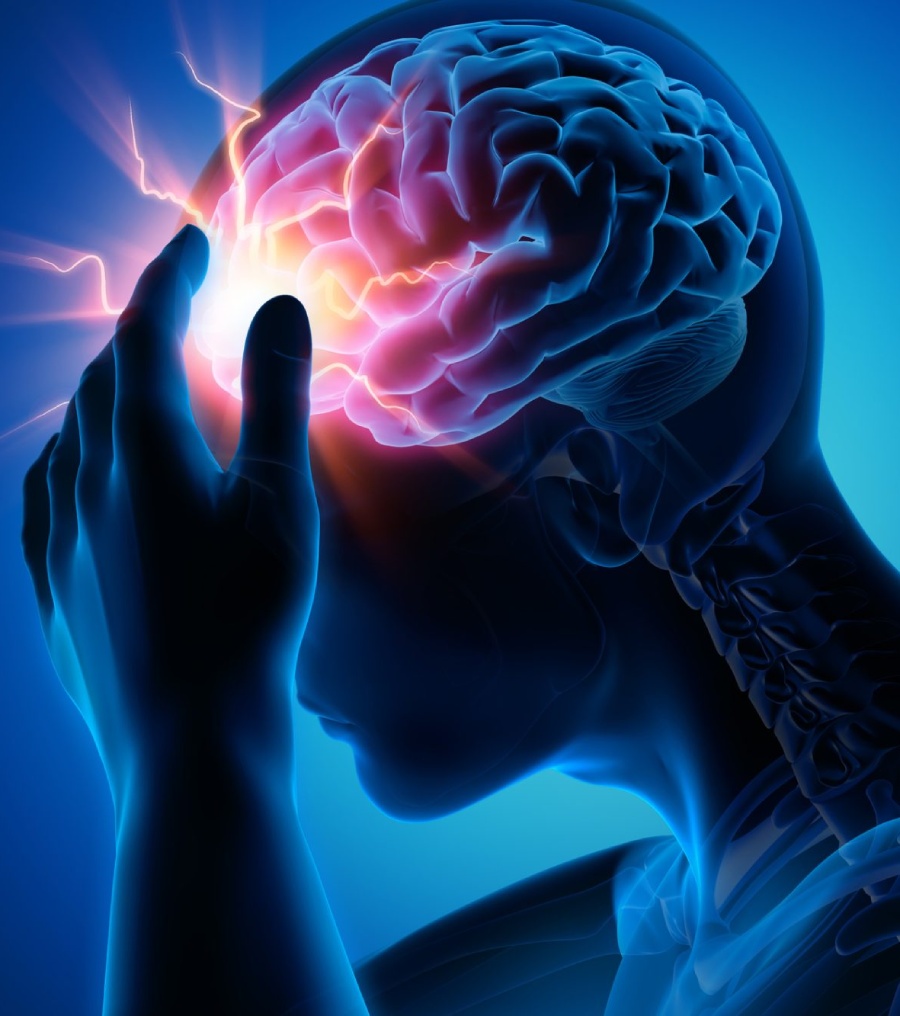
What is a Concussion?
A concussion is a mild form of traumatic brain injury (mTBI) caused by a sudden impact or jolt to the head or body, leading to the brain moving rapidly within the skull. This rapid movement causes a temporary disruption in brain function, particularly at the cellular level. The impact triggers the release of neurotransmitters like glutamate, which disrupts communication between neurons and leads to a metabolic imbalance, including reduced blood flow and an energy deficit in the brain. Additionally, there is an increase in potassium inside neurons, further impairing their ability to function.
The damage from a concussion is typically microscopic and may not show up on standard imaging techniques like CT scans or MRIs. Concussions can cause a wide range of symptoms, such as headaches, neck pain, dizziness, memory problems, confusion, and sensitivity to light or sound.
Physical therapy is a key treatment in helping individuals recover from these symptoms. It plays a central role in managing dizziness, balance issues, neck pain, motor control, and cognitive impairments by guiding patients through targeted exercises to help restore normal brain function. A physical therapist may focus on vestibular rehabilitation to reduce dizziness and balance disturbances, or work on strengthening the neck and core muscles to support overall physical stability. As symptoms improve, patients return to normal activities and regain full function. Without proper rehabilitation, individuals may experience prolonged symptoms or have a higher risk of developing long-term complications, such as chronic traumatic encephalopathy (CTE).