
Vestibular Migraine

Do you get dizziness or feel off-balanced with or without a headache?

What is Vestibular Migraine?

Vestibular Migraine is a fully reversible neurological event in which an individual will experience a feeling of dizziness or unsteadiness that may or may not be accompanied with other neurological symptoms such as sensitivity to sound, light, seeing objects in your visual field(visual aura), numbness/tingling(sensory aura), with or without a headache.

Diagnostic Criteria(adopted from ICHD)

Previously used terms:

Migraine-associated vertigo/dizziness; migraine-related vestibulopathy; migrainous vertigo.

Diagnostic criteria:

01.

At least five episodes fulfilling criteria C and D

02.

A current or past history of 1.1 Migraine without aura or 1.2 Migraine with aura

03.

C. Vestibular symptoms of moderate or severe intensity, lasting between 5 minutes and 72 hours

04.

D. At least half of episodes are associated with at least one of the following three migrainous features:

05.

Headache with at least two of the following four characteristics:

01.

Unilateral location

02.

Pulsating quality

02.

Moderate or severe intensity

02.

Aggravation by routine physical activity

06.

Photophobia and phonophobia

07.

Visual aura

Not better accounted for by another ICHD-3 diagnosis or by another vestibular disorder.

Vestibular Migraine

But I don't have a headache!

But I don't have a headache!

You may not in addition to many others. Many studies show that approximately 50% of individuals with migraine will not have a headache and may simply just have the vestibular symptoms which causes them to be dizzy in addition to other symptoms such as light sensitivity, noise, sensitivity, visual auras, or sensory aura. Some individuals have no symptoms aside from the dizziness.

How is a migraine causing me to be dizzy?

There are many proposed mechanisms of action for why individuals experience dizziness with Vestibular Migraine. Research is still being done to better understand Vestibular Migraine in addition to the mechanisms of action. These proposed mechanisms of action include:

Cross-Talk Between pain and balance pathways:

During a migraine, the trigeminovascular system becomes activated and releases neurochemicals like Calcitonin Gene-Related Peptide (CGRP). These substances don't just affect pain pathways as they also influence the vestibular areas of the brain that process motion and balance. Due to the sharing of these pathways, the migraine signal can temporarily disrupt how the brain interprets movement, leading to dizziness or vertigo.

Cross-Talk Between pain and balance pathways:

Temporary Changes in Blood Flow:

Migraines can create brief changes in blood flow around the inner ear or the brain regions responsible for balance. These vascular changes may momentarily disrupt vestibular signaling causing sensations of spinning, imbalance, or sensitivity to motion.

Temporary Changes in Blood Flow:

Electrical Disturbances (Cortical Spreading Depression):

Migraines involve a wave of altered electrical activity across the brain called Cortical Spreading Depression (CSD). In Vestibular Migraine this wave may reach the brain regions that process balance and spatial orientation(the vestibular nuclei) therefore causing dizziness.

Electrical Disturbances (Cortical Spreading Depression):

What is treatment for Vestibular Migraine?

Treatment varies highly from person to person. Standard treatment includes a combination of:

What is treatment for Vestibular Migraine?

Even after the original issue improves, the brain's balance system may stay "stuck" in an overprotective mode resulting in an aberrant cycle. This can lead to ongoing dizziness, unsteadiness, and sensitivity to motion or busy environments.

Education

Balance Exercises

Motion Desensitization​

Aerobic Exercise

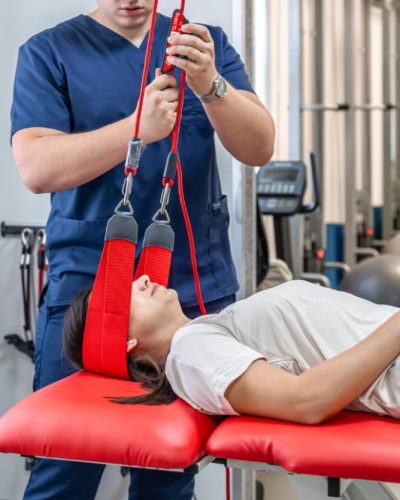
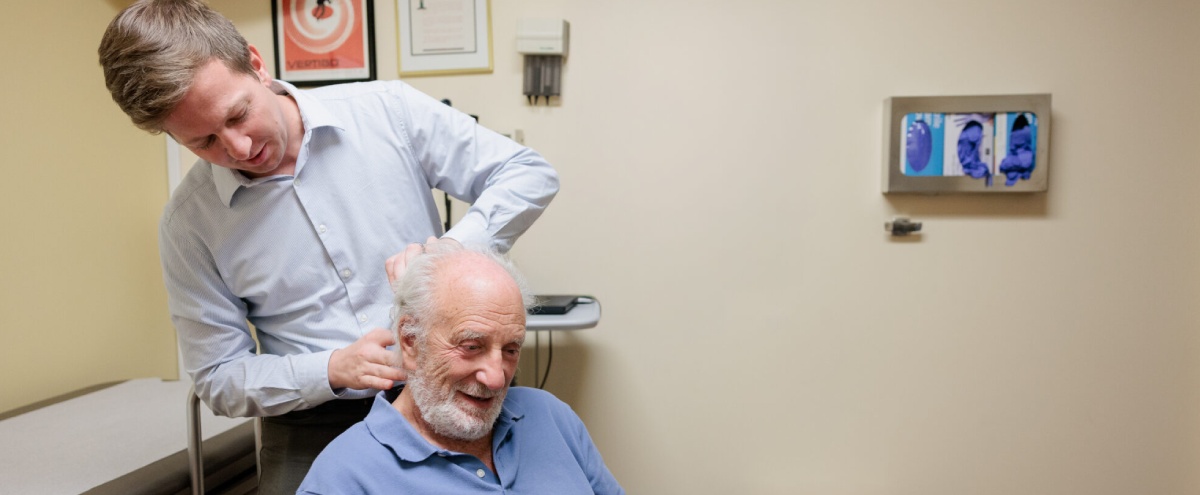
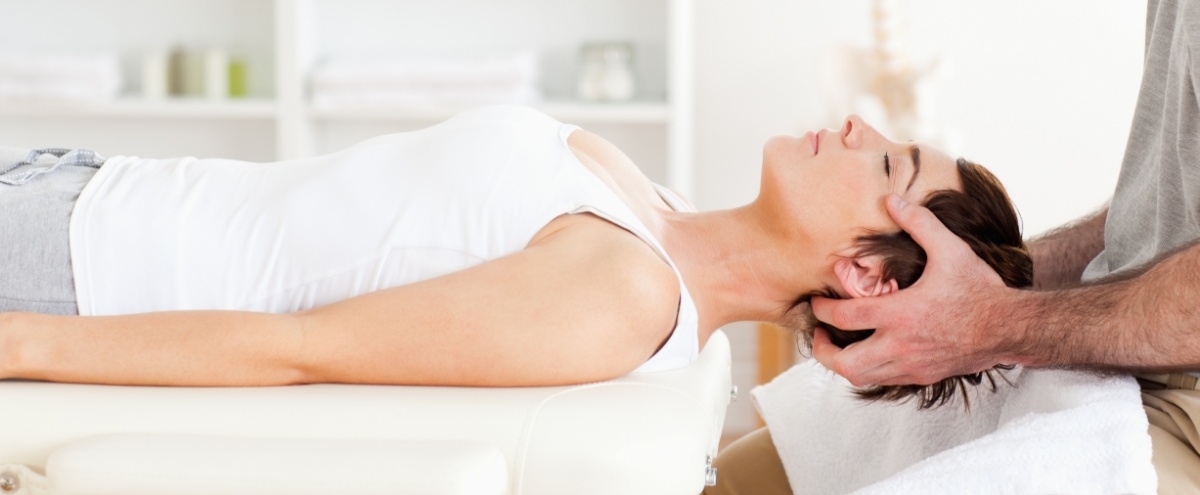
Manual Therapy​

What makes our approach to Vestibular Rehab different?

Expertise.

Dr. Haslam has years of experience treating some of the most challenging and complex patients with acute and chronic dizziness conditions, including but not limited to Vestibular Migraine, Persistent Postural-Perceptual Dizziness(PPPD), Meniere's Disease, BPPV, and other types of Functional Neurological Disorder (FND). He has treated numerous patients with Vestibular Migraine, and PPPD, both together and separately. These patients often include those who have failed traditional Vestibular Therapy with other physical therapists, yet Dr. Haslam was able to return them to their previous level of function and resolve their dizziness. Dr. Haslam has seen patients that have been to the University of Pennsylvania's Balance Center, Dr. Jeffrey Staab, MD at the Mayo Clinic, and other specialists, including ENT's and neurologists in the Philadelphia and surrounding areas.

vestibular therapy near me, concussion therapy near me, concussion rehab, concussion treatment

Approach.

We take a holistic approach to your care; we don't just view you as your condition, but as a whole person. Sometimes, this requires addressing additional components that are important but often overlooked, such as anxiety, depression, or compounding orthopedic or neurological conditions. These factors can make it more challenging to understand and follow a plan of care related to your condition. We lastly believe that a positive attitude and a supportive environment are key to achieving success.

vestibular therapy near me, concussion therapy near me, concussion rehab, concussion treatment

Philosophy.

We believe that physical therapy is not just about treating injuries, but about empowering our patients to take control of their own health and well-being. We prioritize education and prevention to help our patients achieve long-term results.

vestibular therapy near me, concussion therapy near me, concussion rehab, concussion treatment

What past patients have to say

"Dr. Ian Haslam is the best PT for vestibular dizziness. His knowledge and professionalism really helped me deal with my balance problems."

Contact Us

Use this form below to reach out to consult with us to see how we can help you. You can additionally reach out through text message or call and leave a voicemail. Please note that by utilizing our contact us form and utilizing our website you are agreeing to our privacy policy.

Hours

Monday - Sunday: By Appointment only

PPPD Form
1 - Just curious/Researching, 2 - Interested but hesitant 3 - Ready, but have a few questions 4 - Very ready to get my life back 5 - Let's get started*